Most people interview a builder the way they'd interview a contractor for a kitchen remodel: a few questions about price and timeline, a look at some photos, and a gut feeling. On a home that will cost more than anything else you'll ever buy, that isn't enough. The questions below are grouped the way a build actually unfolds, from the contract to the years after you move in.
- The Contract and the Money
- The Lot and the Foundation
- The Schedule
- Quality and Supervision
- Accountability
- After You Move In
Part One: The Contract and the Money
01Is this fixed-price or cost-plus, and why that structure for my build?
Why it matters: Fixed-price puts the overrun risk on the builder. Cost-plus puts it on you but can cost less when the scope is still moving. Neither is wrong; not knowing which one you signed is.
A straight answer sounds like: A clear recommendation for your project, the reason for it, and the tradeoff you're accepting either way.
02What exactly is included in the price, and what isn't?
Why it matters: Two bids can look $150K apart until you see that one leaves out the driveway, fencing, landscaping, window coverings, utility taps, or permit fees.
A straight answer sounds like: A written list of inclusions and exclusions, line by line, before you sign. “Everything's included” is not an answer.
03What's your fee, and how is it calculated?
Why it matters: On cost-plus, a percentage fee rises every time costs rise. On fixed-price, the margin is built in. Either way, you should know what the builder earns and whether subs are marked up on top of it.
A straight answer sounds like: A number or percentage, stated plainly, with no hesitation about sharing it.
04How are allowances set, and can I see the schedule before I sign?
Why it matters: Allowances are where budgets quietly break. A $10K flooring allowance becomes $18K the moment you pick what you actually want. Low allowances make a bid look competitive and cost you later.
A straight answer sounds like: Allowances set to realistic selections for your price point, in writing, with a clear process for overages.
05What's your change-order markup, and how are changes approved?
Why it matters: Changes happen on every build. What matters is knowing the cost and the markup before you approve one, not on the next draw.
A straight answer sounds like: A written markup and a rule that no change proceeds without your signed approval and price.
06What's the draw schedule, and what triggers each draw?
Why it matters: The draw schedule decides when money moves. Tied to real progress, it protects both sides. Front-loaded, it leaves you funding work that isn't done.
A straight answer sounds like: Milestone-based draws tied to completed phases, with inspection before release.
07How do you pay your subs, and will I get lien waivers?
Why it matters: In Texas, an unpaid sub or supplier can file a lien against your home even if you paid the builder in full. Lien waivers with each draw are how you know the money reached the people who did the work.
A straight answer sounds like: Conditional and unconditional lien waivers from subs and suppliers with every draw, as standard practice, not on request.
Part Two: The Lot and the Foundation
08Will you walk and evaluate my lot before you price the house?
Why it matters: Grade, trees, drainage, utilities, septic versus sewer, and access can swing site costs by tens of thousands before the house even starts. A bid that ignores the lot is a guess.
A straight answer sounds like: Yes, before any number is final, with site costs broken out separately from the house.
09Who designs the foundation, and is it engineered from a soil report on this lot?
Why it matters: North Texas clay expands and shrinks with moisture. A foundation designed for a generic lot instead of yours is the most expensive mistake you can't see.
A straight answer sounds like: A geotechnical soil report on your lot, and a foundation designed by a licensed engineer from that report.
10How will you handle drainage and final grading?
Why it matters: Water that sits against the slab causes foundation movement, and water sent toward a neighbor causes disputes. Drainage is cheap to plan and expensive to fix.
A straight answer sounds like: A grading and drainage plan, gutters and downspouts routed away from the foundation, and a clear answer on who fixes pooling after move-in.
Part Three: The Schedule
11What's the realistic timeline, versus the one in the contract?
Why it matters: The contract number and the honest number aren't always the same. A builder who gives you the real timeline up front is telling you the truth about everything else too.
A straight answer sounds like: A specific range for a home your size, with the buffer explained, and what the contract says happens if it runs past.
12How many homes do you have under construction right now?
Why it matters: A builder's attention is finite. Too many active jobs means your build waits in line for the same superintendent and the same crews.
A straight answer sounds like: A real number, and how that load compares to what they can supervise well.
13When are my selections due, and what happens if I'm late?
Why it matters: Late selections are one of the most common causes of delay, and many contracts let the builder charge for it. You should know the deadlines before you're up against them.
A straight answer sounds like: A selections calendar tied to the build schedule, with the consequences of a missed date spelled out.
14How do you handle delays, and how will I hear about them?
Why it matters: Rain, inspections, backordered windows, and no-show subs will happen. What separates builders is whether you hear about it the same day or find out at the next site visit.
A straight answer sounds like: A defined way you're told about schedule changes, with the cause and the new date, every time.
Part Four: Quality and Supervision
15Who's on site every day, and how often will we walk the job together?
Why it matters: A great crew with poor oversight still makes expensive mistakes. Who's watching the work is the question behind the quality.
A straight answer sounds like: A named person responsible for daily supervision, and a standing walkthrough rhythm with you.
16Beyond the city, who independently checks the work?
Why it matters: City inspections check code minimums, and inspectors are stretched thin. The foundation is where a missed detail costs the most, and once concrete is poured, nobody can see what's inside it.
A straight answer sounds like: Third-party inspections at pre-pour at minimum: an independent engineer checks the slab steel and cables before concrete goes in, and you get the report. Some builders add framing or pre-drywall inspections too; ask which stages are covered.
17Who are your main subs, and how long have they worked with you?
Why it matters: The builder's name is on the sign, but the subs build the house. Long relationships mean consistent work and crews who show up when called.
A straight answer sounds like: Names of the framer, plumber, electrician, and HVAC company, and years of working together.
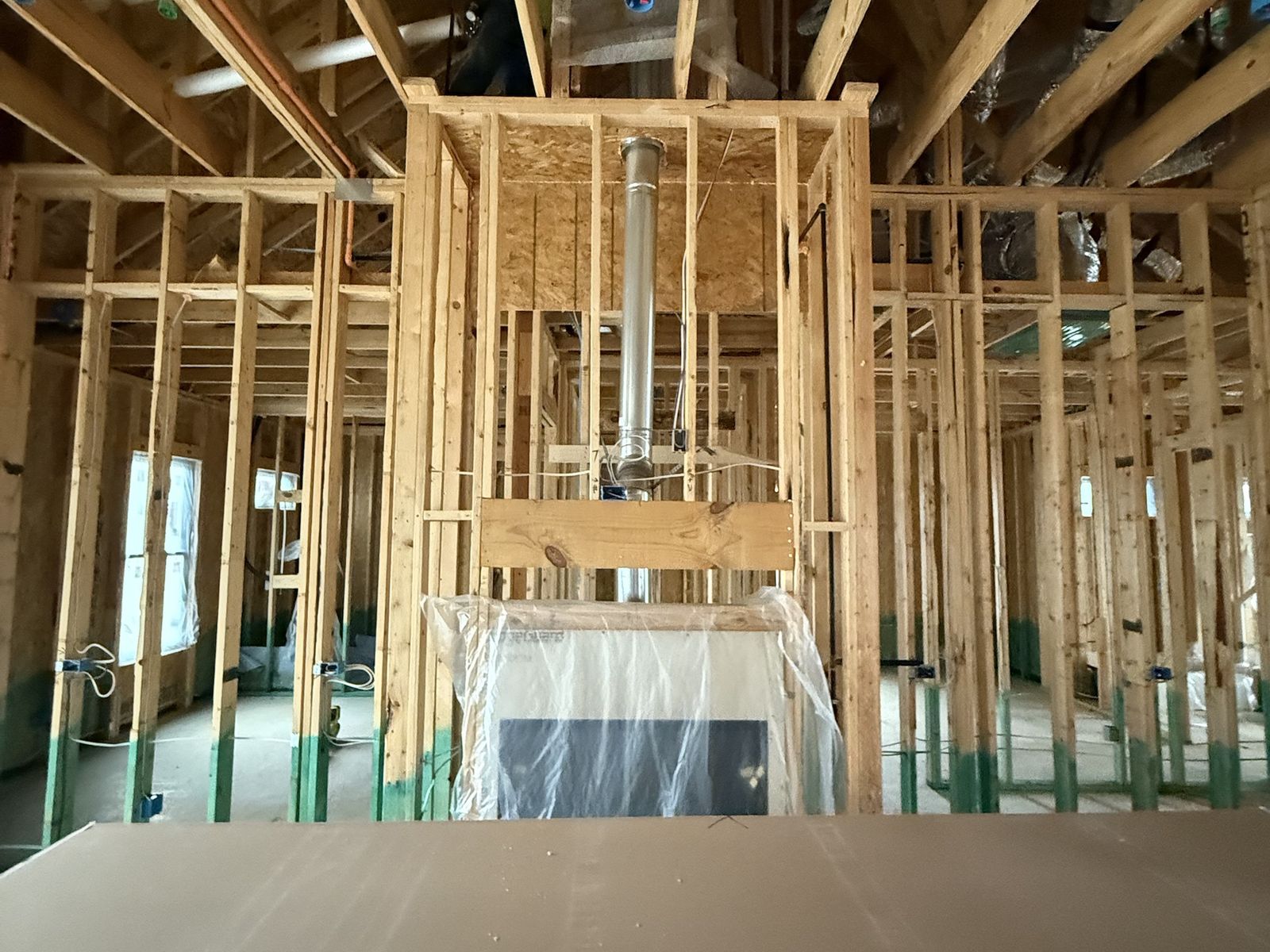
18What happens at the pre-drywall walkthrough?
Why it matters: Before drywall is the last chance to see wiring, plumbing, blocking, and insulation. After that, changes mean tearing out finished work.
A straight answer sounds like: A scheduled walkthrough with you before drywall, time to check outlet and fixture locations, and fixes made before closing up.
Part Five: Accountability
19Can I walk a home you've built and talk to people who've worked with you?
Why it matters: “We use the best subs” means nothing without proof. Finished homes and real references separate a builder's marketing from their work.
A straight answer sounds like: An immediate yes: a finished home to walk, and references who've seen the builder work up close, whether past clients, their lender, or longtime trade partners.
20Who is my single point of contact, and how will we communicate?
Why it matters: A build has thirty-plus trades and a thousand decisions. One clear contact and a set rhythm is the difference between a smooth process and a stressful one.
A straight answer sounds like: One name, a weekly update, and how you'll see schedule, photos, and budget between meetings.
21What insurance do you carry, and who covers the house during construction?
Why it matters: If a fire, storm, or theft hits mid-build, or someone is hurt on site, you need to know whose policy responds before it happens.
A straight answer sounds like: Certificates of general liability and builder's risk coverage, provided in writing, with clear terms on who carries what.
22Texas doesn't license home builders. What should I verify instead?
Why it matters: Anyone can call themselves a builder in Texas. That makes it on you to check the track record, the business entity, and the licensed trades doing the work.
A straight answer sounds like: A track record you can verify, a registered company, licensed plumbing, electrical, and HVAC subs, builder association membership, and nothing to hide in court or county records.
23Tell me about a build that went wrong. What happened, and what did you do?
Why it matters: Every builder has had a problem job. How they talk about it tells you how they'll handle yours.
A straight answer sounds like: A real story, ownership of the builder's part in it, and what changed afterward. “That's never happened to us” is the wrong answer.
Part Six: After You Move In
24What's the warranty, in writing, and who backs it?
Why it matters: A warranty is only as good as the company standing behind it. A common structure is one year on workmanship, two on major systems, and ten on structure, but terms vary widely.
A straight answer sounds like: A written warranty document you can read before signing, with clear coverage periods and whether a third party backs the structural years.
25When something needs fixing after move-in, who comes out, and how fast?
Why it matters: Every new home has a punch list after the family lives in it. The builder's response in year one is what you'll remember about them.
A straight answer sounds like: A defined warranty request process, a response time, and a planned walkthrough around the 11-month mark to catch items before the first-year coverage ends.
“The best builders don't flinch at hard questions. They've been asked them before, and they like clients who ask.”
How to Use This List
You don't need to read all 25 off a clipboard in the first meeting. Bring the money questions to the first conversation, the lot and foundation questions to the site walk, and the rest before you sign. Write down the answers. When you compare builders side by side, the differences will be obvious.
If you're still in the land-shopping stage, start with our Northlake & Argyle building guide for the questions to ask before you buy the lot, and our 2026 North DFW cost guide for what a build actually runs.